Gift Box Packaging Tips!

Liam Reilly
| 20-05-2026
 · Lifestyle Team
Hey Lykkers! Designing a gift box is more than just wrapping paper and ribbons—it’s about crafting a memorable moment.
Below are refined strategies to elevate your gift box presentation with thoughtfulness and precision!
1. Choose the Right Box Shape and Size
An ill-fitting box creates both visual imbalance and practical issues. Select a box that complements the shape of your gift without being too snug or excessively large. Extra space should be intentional, filled with padding or design elements, not left as dead air. Tailor-made dimensions enhance perceived value and protect fragile contents from shifting in transit.
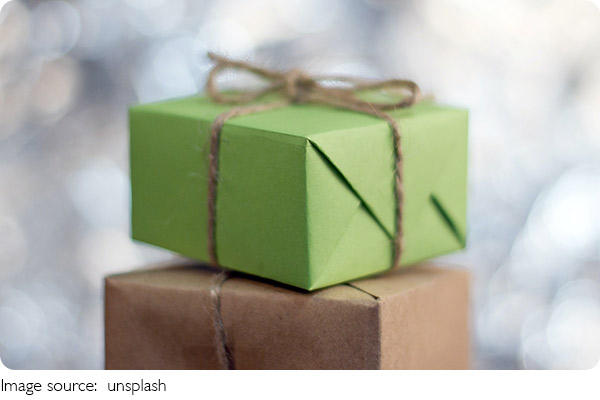
2. Prioritize Layering and Structural Flow
Layering is key to maintaining curiosity and elegance. Start with a base filler—crinkle paper, tissue, or biodegradable foam. Place the main item at the center, and if multiple items are included, use dividers or compartments to organize them. This not only stabilizes items but also guides the recipient’s eye through a well-thought-out unboxing sequence.
Transform your space into the ultimate cozy tea haven with these simple, stylish decorating tips! Ready to relax?
One overhead light is ruining your room — here's the layered lighting system that designers actually use.
How do binoculars turn faraway views into clear, stable, and natural images that you can easily see and enjoy every day?
Creative ways to design your living spaces for style, comfort, and functionality
From Cramped to Calm: How to Live Large in a Small Apartment With Smart Design and Storage
How to Bring Nature Into Your Home and Transform Your Life! Discover the Secret to a Happier Living Space!
3. Use Material Variety for Texture Contrast
Mixing materials such as velvet pouches, kraft paper, fabric wraps, and matte inserts adds depth and richness. Avoid relying solely on glossy or printed papers. Sensory contrast—both visual and tactile—triggers emotional responses and elevates the overall aesthetic of the package.
4. Focus on Color Psychology
Color choices in packaging affect perception long before the box is opened. For calming tones, consider soft neutrals and pastels. For energy and vibrance, incorporate shades of coral, mustard, or emerald. Seasonal or event-specific palettes help build anticipation and thematic coherence. Harmonize primary and accent colors to maintain balance.
5. Include a Personalized Element
A handwritten note, a small tag with a custom message, or a printed card with the recipient’s name makes a big impact. Even a minimalist gift becomes meaningful with intentional messaging. Personal touches establish emotional connections that mass-produced packaging simply cannot achieve.
6. Secure Without Sacrificing Style
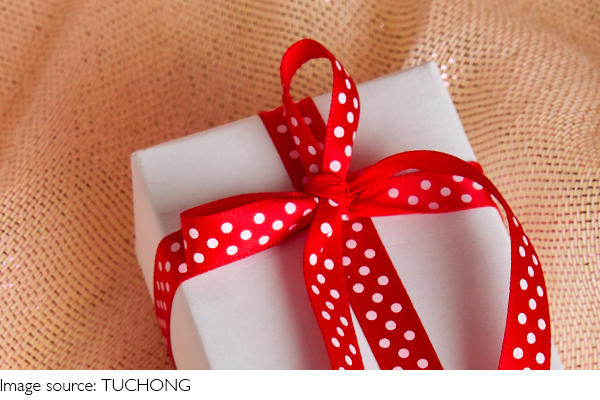
Use closures that are both reliable and visually pleasing—magnetic flaps, jute strings, wax seals, or satin ribbons. Adhesive tape should be hidden wherever possible, and the opening process should be intuitive but not overly simple. The goal is to balance protection with presentation.
7. Keep It Eco-Friendly Yet Elegant
Sustainability is no longer optional. Opt for recyclable materials, soy-based inks, and reusable packaging components. Biodegradable fillers and minimal plastic use show environmental responsibility without compromising on luxury or detail. Creativity thrives when working within eco-conscious limitations.
8. Maintain Consistency for Branded Gifts
If the gift box represents a brand—such as in client gifting or PR packages—consistency in typography, color codes, and layout is essential. Each visual element should support the brand’s tone and purpose, whether that’s playful, professional, minimalist, or luxurious. Cohesion builds credibility.
9. Test Before the Final Wrap
Conduct a final check: lift, shake gently, and assess the weight distribution. Does the box feel balanced? Are all components secured? Has the aesthetic remained intact after light handling? These final moments of review ensure durability in transport and a flawless impression upon arrival.
10. Document the Design for Future Use
If you’re developing packaging for a business or recurring occasion, photograph each stage of the assembly process. Keep notes on suppliers, materials, sizes, and styles used. Efficient record-keeping simplifies replication and enhances consistency for future batches or events
Gift box packaging is an art that combines precision, storytelling, and creativity. When executed well, it transforms a simple object into an unforgettable gesture. Every fold, color, and texture becomes part of a larger narrative—one that begins before the gift is even opened!
Giftology: How to Wrap a Box
Video by Hallmark